
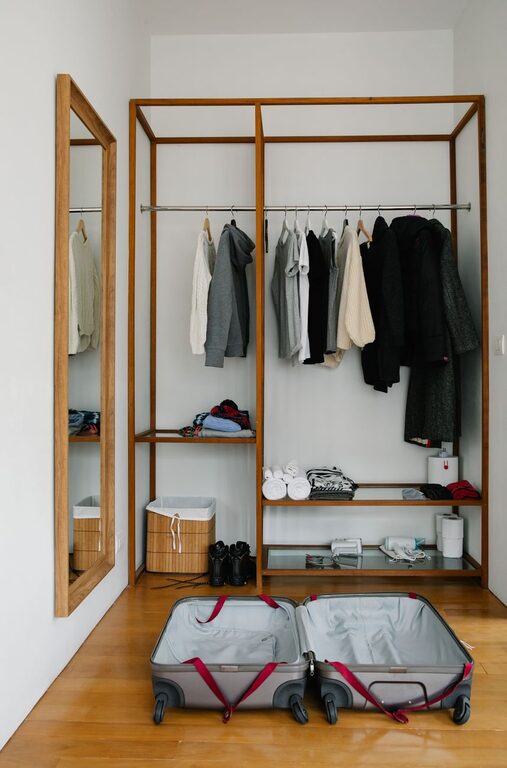
How to Store Seasonal Clothes Efficiently: Tips for a Clutter-Free Closet
Storing seasonal clothes efficiently is a smart way to keep your living space organized, protect your garments, and make seasonal transitions smoother. Whether you’re putting away winter coats or summer dresses, having a system in place can save time and prevent damage to your favorite pieces. In this post, we’ll explore easy and effective methods for storing your seasonal wardrobe, so you can enjoy a clutter-free closet year-round.
Why Efficient Storage Matters
Seasonal clothes often take up a large portion of your closet space. Without proper storage, these items can become wrinkled, musty, or even damaged by pests. Efficient storage:
– Protects your clothes from dust, moisture, and insects
– Creates more space for your current season’s wardrobe
– Makes it easier to find and access items when the season changes
– Extends the life of your garments
Preparing Clothes for Storage
Before storing clothes, it’s important to prepare them properly. Taking a little extra time to clean and sort your items can prevent problems later.
1. Clean Everything Thoroughly
Wash or dry clean your clothes according to the care instructions. Stains or dirt left on fabric can set in over time and attract pests.
2. Repair Damage
Check for loose buttons, broken zippers, or small tears and fix them before storing. This will save you from scrambling to repair garments later.
3. Sort and Declutter
Decide which clothes you want to keep for next season and consider donating or discarding items you no longer wear. Less clothing means less storage space needed.
Choosing the Right Storage Solutions
Selecting appropriate containers helps protect your clothes and saves space.
1. Use Breathable Garment Bags
For delicate items or coats, breathable cotton or linen garment bags are ideal. They shield your clothes from dust while allowing air circulation to prevent moisture buildup.
2. Plastic Storage Bins with Seals
Clear plastic bins with tight-fitting lids keep out insects and moisture. Using clear containers lets you see what’s inside without opening them.
3. Vacuum-Sealed Bags
These are great for reducing bulky items like sweaters and jackets. Vacuum-sealing removes air, saving significant space, but avoid storing delicate fabrics this way as it may damage their shape or texture.
4. Storage Boxes for Shoes and Accessories
Keep shoes, hats, and other accessories organized in separate boxes or organizers to avoid clutter and damage.
Best Practices for Storing Seasonal Clothes
1. Keep Clothes Clean and Dry
Always store clothes in a dry, cool place. Avoid damp basements or areas prone to temperature fluctuations, which can encourage mold and mildew.
2. Use Cedar or Lavender for Pest Control
Natural repellents like cedar blocks or lavender sachets help keep moths and other insects away. Avoid mothballs, as they contain harmful chemicals and strong odors.
3. Fold Knits and Heavy Garments
Fold sweaters and heavy fabrics to prevent stretching. Avoid hanging these items, as the weight can cause them to lose their shape.
4. Hang Lightweight or Structured Items
Dresses, blouses, and suits should be hung on good-quality hangers to maintain their form. Use padded or wooden hangers for delicate fabrics.
5. Label Your Storage Containers
Label boxes and bins by category or season to quickly identify contents. This saves time when retrieving clothes for the new season.
Seasonal Closet Rotation Tips
To make changing your wardrobe easier:
– Set a specific day to switch your clothes each season.
– Store out-of-season items in a different part of your home if possible.
– Keep a small, accessible selection of transitional pieces for unpredictable weather.
Additional Storage Tips
– If space allows, invest in an under-bed storage system for out-of-season clothes.
– Use shelf dividers or hanging organizers inside closets to maximize vertical space.
– For long-term storage, avoid plastic bags that trap moisture – opt for breathable containers instead.
Conclusion
Efficiently storing your seasonal clothes helps keep your wardrobe in great shape while freeing up much-needed closet space. By preparing your garments properly, choosing the right storage containers, and following a few simple best practices, you can enjoy a neat, organized home all year long. Give these tips a try during your next closet cleanout, and experience the benefits of easy, stress-free seasonal clothing storage.