
How to Plan Meals Using Pantry Staples for Easy, Delicious Dinners
kyquney >> Meal Planning>>Pantry Staples>> How to Plan Meals Using Pantry Staples for Easy, Delicious Dinners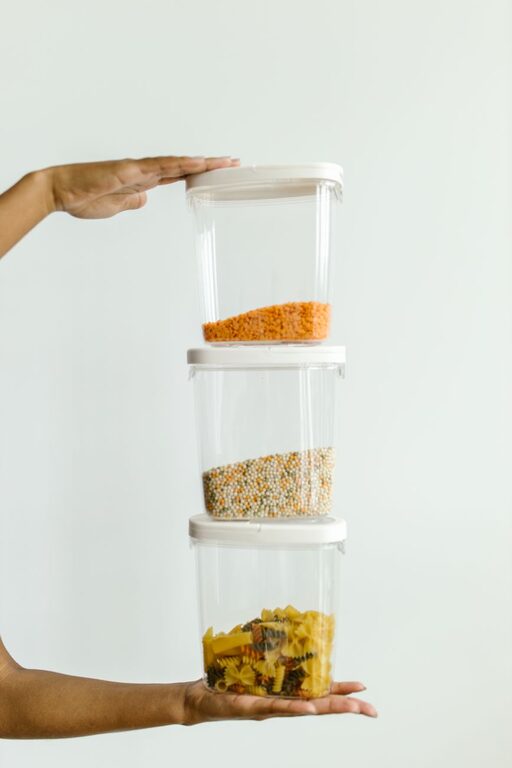
How to Plan Meals Using Pantry Staples for Easy, Delicious Dinners
Planning meals from pantry staples is a smart way to save money, reduce food waste, and simplify your cooking routine. Your pantry likely holds a variety of ingredients that can be turned into delicious, satisfying meals without a last-minute trip to the store. In this guide, we’ll explore practical steps to help you plan meals using what you have on hand, with tips on organizing your pantry, balancing flavors, and creating versatile recipes.
Why Use Pantry Staples for Meal Planning?
Using pantry staples as the foundation for your meals offers several benefits:
– Cost-effective: Pantry items like rice, beans, pasta, and canned goods are often budget-friendly.
– Convenient: Having ingredients ready reduces the need for frequent grocery runs.
– Flexible: Many staples pair well with fresh or frozen ingredients for varied meals.
– Waste reduction: Using what you already have prevents food from expiring unused.
Step 1: Take Inventory of Your Pantry
Before you start planning, get a clear picture of what’s available.
How to Inventory Effectively
– Empty your pantry shelves: Take everything out and sort items by type — grains, canned goods, spices, baking essentials, etc.
– Check expiration dates: Use or donate items that are close to expiring.
– Make a list: Write down all usable ingredients, noting quantities and packaging sizes.
– Group similar items: For example, all beans together or all baking essentials in one spot.
Having this list handy helps you know exactly what you can work with.
Step 2: Understand Your Pantry Staples
Here are common pantry staples you might have, along with ideas on how to use them:
– Grains: Rice, pasta, quinoa, couscous, and oats can be bases for many dishes.
– Canned goods: Beans, tomatoes, corn, tuna, and coconut milk add flavor and substance.
– Baking essentials: Flour, sugar, baking powder, and yeast can be used for quick breads and snacks.
– Flavorings: Olive oil, vinegar, soy sauce, broth cubes, herbs, and spices enhance taste.
– Nuts and seeds: Great for adding texture and nutrition.
– Dried fruits: Can be added to salads, grain bowls, or baked goods.
Step 3: Plan Balanced Meals Around Your Staples
When planning meals, aim to balance the main components — proteins, carbohydrates, and vegetables:
– Protein: Use canned beans, lentils, canned tuna, or nut butters.
– Carbohydrates: Choose from grains like pasta or rice.
– Vegetables: Add fresh, frozen, or canned veggies to round out the meal.
– Fat and flavor: Use oils, butter, or nuts and spices to enhance meals.
For example, a simple meal could be rice (carb) with black beans (protein), sautéed canned tomatoes and spices (flavor), and a drizzle of olive oil (fat).
Step 4: Create a Weekly Meal Plan
With your list and meal ideas ready, sketch out a weekly plan.
Tips for Meal Planning from Pantry Staples
– Start with one staple per day: For example, Monday might focus on pasta dishes, Tuesday on rice bowls.
– Incorporate fresh/frozen produce: If you have fresh or frozen vegetables and fruits, add them to the plan.
– Batch cook: Prepare batches of grains or beans to use throughout the week.
– Mix and match: Use the same staples in different ways to avoid boredom.
– Use versatile recipes: Soups, stews, stir-fries, and casseroles often use pantry staples effectively.
Step 5: Sample Meal Ideas Using Pantry Staples
Here are some simple recipe ideas to get you started:
1. Chickpea and Tomato Stew
– Canned chickpeas
– Canned diced tomatoes
– Onion and garlic (fresh or dried)
– Olive oil and spices (cumin, paprika)
– Serve over rice or with bread
2. Tuna Pasta Salad
– Pasta
– Canned tuna
– Canned corn or peas
– Olive oil, lemon juice, and herbs
– Add any fresh veggies you have like bell peppers or cucumbers
3. Lentil Soup
– Dried or canned lentils
– Canned tomatoes
– Onion, garlic, and vegetable broth (cubes or homemade)
– Carrots and celery (fresh or frozen)
– Season with bay leaves and thyme
4. Rice and Bean Bowl
– Cooked rice
– Black or kidney beans
– Salsa or canned tomatoes
– Avocado or nuts for healthy fats
– Cilantro and lime for freshness
Step 6: Keep Your Pantry Organized
Maintaining an organized pantry makes meal planning easier in the long run.
Organizing Tips
– Use clear containers to see contents at a glance.
– Label shelves or containers with categories.
– Keep frequently used items at eye level.
– Rotate older items to the front to use them first.
Step 7: Be Creative and Flexible
Remember, meal planning from pantry staples is about creativity as much as practicality. Feel free to swap ingredients based on what you have, and don’t hesitate to try new spice combinations or cooking methods.
Final Thoughts
Planning meals using pantry staples helps reduce stress around cooking, saves money, and encourages you to make the most of what you have. With a little organization and creativity, you can prepare satisfying meals any day of the week without relying on last-minute shopping trips.
Try starting with an inventory this week, plan out a few meals, and discover how pantry staples can transform your kitchen habits!