
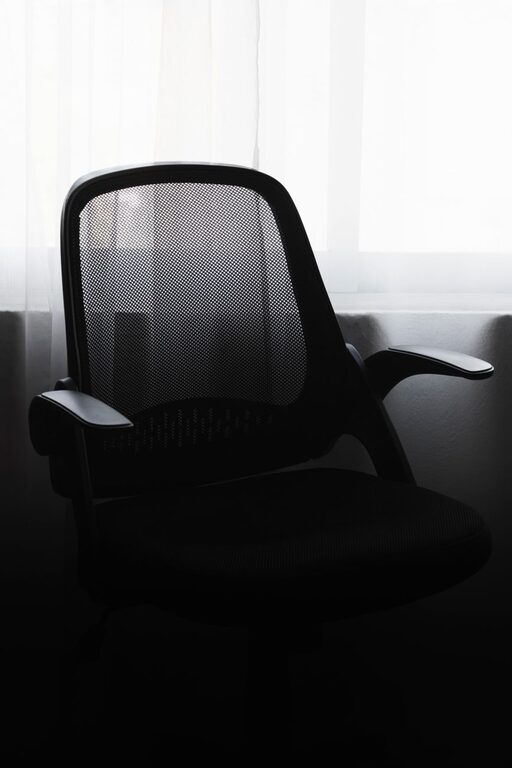
How to Choose a Comfortable Desk Chair for Better Workdays
Creating a comfortable and supportive workspace starts with the right desk chair. Whether you work from home or spend many hours at the office, a good chair can make a significant difference in your posture, comfort, and overall productivity. Choosing the right desk chair involves considering several factors to ensure that it fits your body and work habits perfectly.
In this post, we’ll guide you through the key tips to help you select a comfortable desk chair that meets your needs.
Why a Comfortable Desk Chair Matters
Spending hours sitting without proper support can lead to discomfort, fatigue, and even long-term health issues like back pain and poor circulation. A well-designed desk chair can improve your posture, reduce strain on your muscles, and help maintain focus during long work sessions.
Investing time and thought into choosing the right chair is an investment in your health and work efficiency.
Key Features to Look For in a Comfortable Desk Chair
1. Adjustable Height
Your desk chair should allow you to adjust its height easily. When properly adjusted, your feet should rest flat on the floor, with your thighs parallel to the ground. This positioning helps reduce pressure on your lower back and legs.
2. Lumbar Support
The lower back, or lumbar region, needs sufficient support to maintain the natural curve of your spine. Look for chairs with built-in lumbar support or the ability to add adjustable lumbar cushions. This feature helps prevent slouching and reduces lower back pain.
3. Seat Depth and Width
Your chair seat should be wide and deep enough for you to sit comfortably without pressure points. Ideally, there should be 2 to 4 inches between the edge of the seat and the back of your knees. Some chairs offer adjustable seat depth, which can be especially helpful if you share your workspace.
4. Recline and Tilt Mechanisms
Being able to recline or tilt your chair allows you to change postures throughout the day, which can reduce muscle fatigue. Look for chairs with adjustable tension control and lockable tilt features, so you can find the right balance between support and movement.
5. Armrests
Armrests should support your arms comfortably to reduce strain on your shoulders and neck. Adjustable armrests that can move up, down, forward, and backward provide the most customized fit. When seated, your elbows should rest at a 90-degree angle.
6. Breathable Material and Padding
The material of the chair affects your comfort, especially during long hours of sitting. Breathable mesh chairs promote airflow and can keep you cooler, while padded fabric or leather chairs might offer more cushioning. Choose a material that feels comfortable for you and suits your workspace environment.
7. Swivel and Mobility
A chair that swivels and has rolling casters allows you to move easily without straining your body. This feature can be helpful if your workspace requires reaching for multiple areas on your desk or moving between tasks.
Additional Tips for Choosing the Right Desk Chair
Test Before You Buy
If possible, try out chairs in person. Sit in the chair for at least 10–15 minutes to get a feel for its support and comfort. Take note of how your body responds—does the chair feel firm or too soft? Are your shoulders relaxed? Does it support your lower back?
Consider Your Work Habits
Think about how you typically work. Do you lean forward on your desk, or spend a lot of time typing? Do you shift positions frequently? Matching your chair’s features to your movements can enhance comfort.
Match the Chair to Your Desk Height
Ensure your chair fits well with the height of your desk. Too high or too low can cause awkward postures. Adjustable chairs help accommodate different desk heights.
Set a Budget
Comfortable desk chairs vary widely in price. While it’s tempting to choose the cheapest option, investing in quality usually pays off through better support and durability. Set a budget that balances comfort, quality, and your financial considerations.
Look for Warranty and Return Policies
A good warranty and flexible return policy provide peace of mind. If the chair doesn’t work out, you want the option to exchange or return it without hassle.
Maintaining Your Desk Chair for Long-Term Comfort
Once you’ve chosen your chair, maintaining it properly can extend its comfort and lifespan.
– Regular Cleaning: Dust and clean the chair’s fabric or mesh to prevent dirt buildup.
– Check Moving Parts: Lubricate wheels and check adjustment mechanisms for smooth operation.
– Replace Cushions or Covers: Over time, padding can wear down. Replacing cushions or slipcovers can refresh your chair’s comfort.
– Adjust Regularly: As your work habits or body changes, adjust the chair settings to fit your current needs.
Conclusion
Selecting a comfortable desk chair is essential for a healthy and productive work environment. Prioritize adjustability, support, and fit when shopping, and don’t hesitate to test multiple options. Remember that investing in a good chair is investing in your well-being and work performance.
With these tips, you’re well on your way to finding the perfect desk chair that keeps you comfortable and focused throughout your workday. Happy chair hunting!